Why the Sensex Crossed 80,000 — And What It Means for You
The Sensex hit a historic milestone. But should you celebrate or worry? We break down what this number actually means for everyday investors.
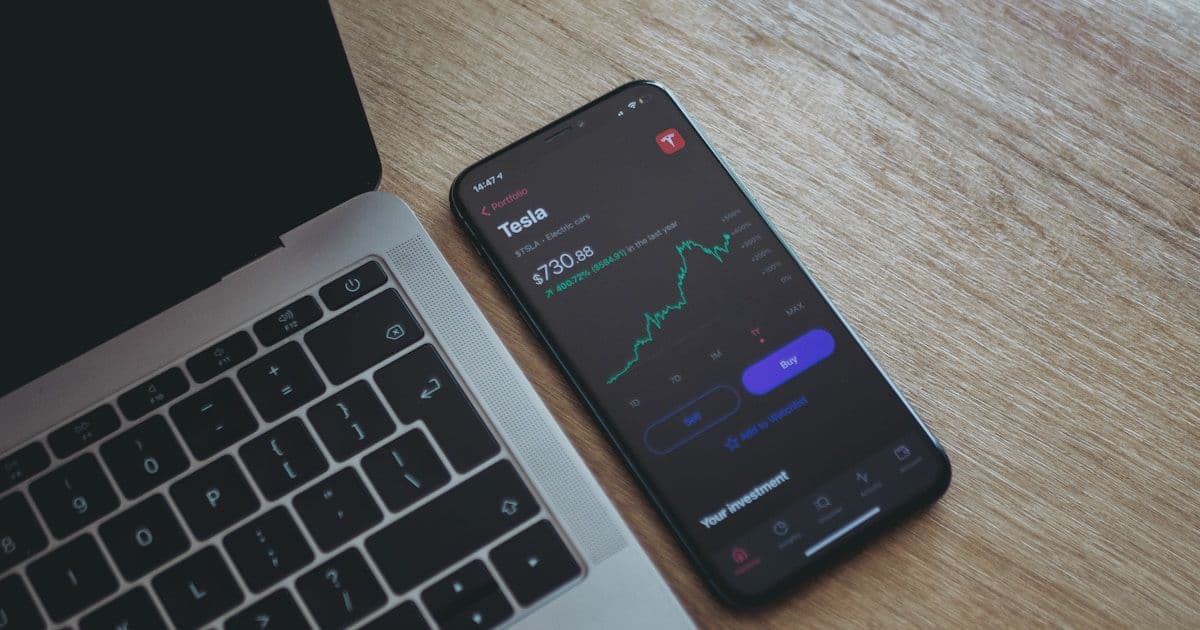
The BSE Sensex recently breached the 80,000 mark for the first time in history. While news channels celebrated with flashy graphics and experts proclaimed a new era, the average investor was left wondering — should I be happy or worried?
Let's start with what the Sensex actually is. It's an index of 30 large, well-established companies listed on the Bombay Stock Exchange. When we say the Sensex "crossed 80,000," it means the combined market value of these 30 companies has reached a new high.
But here's the thing — the Sensex crossing a round number doesn't automatically mean the market is overvalued or due for a crash. Markets have been crossing milestones since they began. The Sensex crossed 10,000 in 2006, 50,000 in 2021, and now 80,000 in 2025.
What actually matters is the earnings growth of the companies in the index. If corporate profits are growing at 15-20% annually, the market naturally goes higher. The price-to-earnings ratio tells us whether the market is fairly priced relative to earnings.
For long-term investors, the advice remains simple: continue your SIPs, don't try to time the market, and remember that temporary drawdowns are the price you pay for long-term returns. The Sensex at 80,000 is not a reason to panic or celebrate — it's just a number on the way to 1,00,000.
Enjoyed this article?
Get stories like this delivered to your inbox.